Leave Your Message

Why Choose Road Bollards for Global Road Safety?

Why Choose Road Bollards for Global Road Safety?

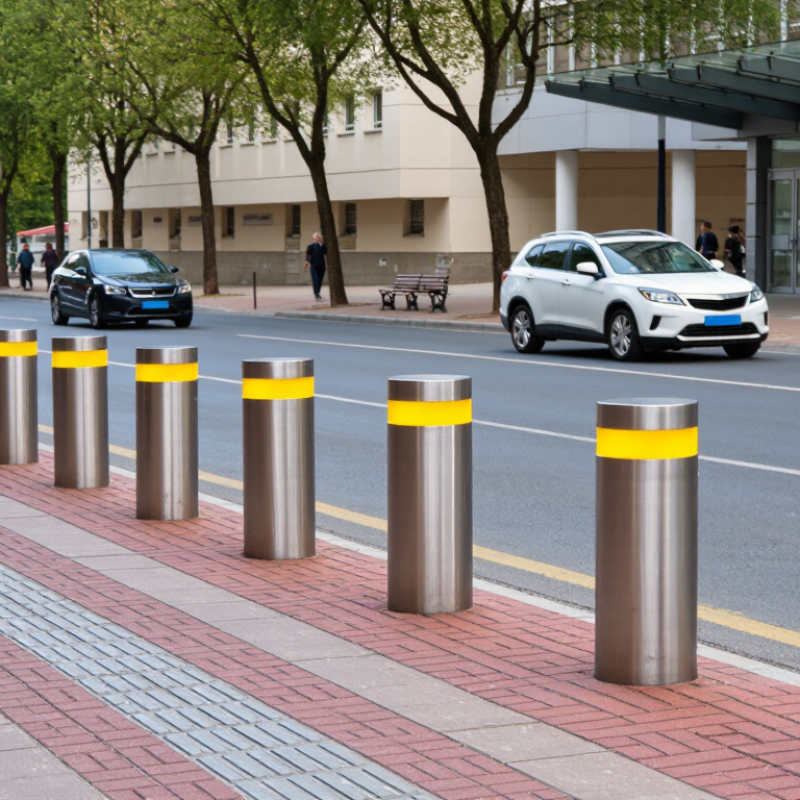
Road Bollards are compact safety structures with a significant role in modern transport planning. They separate vehicles from pedestrians, protect building entrances, and guide traffic through busy public spaces. A well-positioned bollard can prevent a vehicle from reaching a crowded pavement. It can also protect a hospital doorway, school boundary, or outdoor café.

“Effective bollards do more than stop vehicles; they clarify how people and traffic should share space,” says Dr. Eleanor Hughes, a road infrastructure and pedestrian-safety consultant. Her observation reflects practical experience across urban streets, transport hubs, and commercial developments. Good protection depends on more than strength. Visibility, spacing, impact performance, accessibility, and maintenance all matter.

The best Road Bollards support safer movement without creating unnecessary barriers. Reflective bands remain visible during rain and low light. Contrasting colors help older pedestrians and people with limited vision. Correct spacing leaves room for wheelchairs, strollers, and emergency access. These details may appear small. They influence daily behavior.

Global road environments are different. A product suitable for a narrow European lane may not suit a wide industrial entrance. Climate, soil conditions, traffic speed, and local engineering requirements must guide selection. That is where generic solutions can fail.

A stronger approach combines verified performance data with site-specific assessment. It also accepts an uncomfortable truth: bollards cannot solve every safety problem. Poor placement can confuse drivers or restrict pedestrians. Regular inspections are essential.

Road safety improves when design is thoughtful, evidence-based, and honest about its limits. Road Bollards are not simply street furniture. They are a visible part of responsible infrastructure.
Why Choose Road Bollards for Global Road Safety?

What Are Road Bollards and How Do They Support Road Safety?

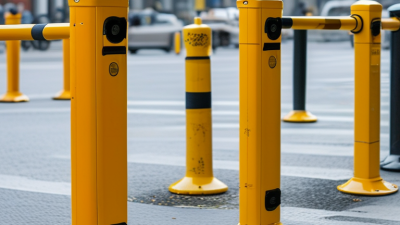
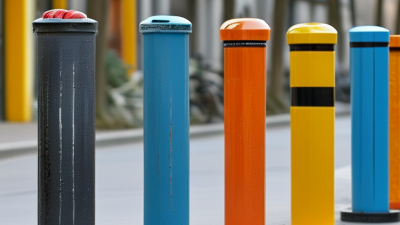
Road bollards are short, sturdy posts that help organize space on streets, paths, parking areas, and crossings. They create a visible boundary between moving vehicles and vulnerable road users. Reflective bands, bright colors, and appropriate lighting improve recognition during rain, fog, or darkness. Some bollards remain rigid, while flexible models bend after impact and reduce damage. Their purpose is simple: guide movement, protect people, and discourage unsafe vehicle access.

Effective bollards depend on careful placement, not just strong materials. A road safety assessment should consider traffic speed, sightlines, drainage, maintenance access, and pedestrian movement. Correct spacing can protect a walkway without blocking wheelchairs, bicycles, or emergency access. Local road guidance should inform height, visibility, anchoring, and setback decisions. They are not a magic fix. In practice, even a well-planned row can confuse drivers when markings are faded or nearby lighting is poor. Regular inspections matter because loose anchors, damaged reflectors, and hidden posts create new hazards. Small details count.

Tips: Keep bollards visible from a driver’s approach. Use consistent spacing and reflective surfaces. Leave clear paths for pedestrians. Inspect them after severe weather or vehicle contact. Document changes, even minor ones, so future maintenance decisions remain evidence-based.
Why Choose Road Bollards for Global Road Safety?

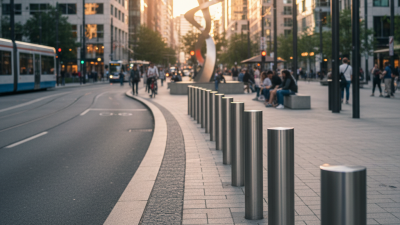
Road bollards are short vertical posts used to separate pedestrians, cyclists, vehicles, and restricted areas. They improve road safety by defining boundaries, discouraging unauthorized vehicle access, protecting vulnerable road users, and increasing visibility with reflective or illuminated features.

Global Road Traffic Deaths by Road-User Type

This chart shows the estimated global distribution of road traffic deaths by road-user type in 2021. Bollards are particularly relevant to pedestrian and cyclist protection because they help create clearer, more physically separated road spaces.

Source: World Health Organization, Global Status Report on Road Safety 2023; global estimates for 2021.

How Road Bollards Improve Traffic Control and Pedestrian Protection

Why Choose Road Bollards for Global Road Safety?

How Road Bollards Improve Traffic Control and Pedestrian Protection

Road bollards create a clear boundary between moving vehicles and people on foot. They guide traffic without relying only on painted lines or warning signs. At busy crossings, their physical presence helps drivers recognize pedestrian space earlier. This is especially useful near schools, transit stops, markets, and narrow sidewalks. Better visibility matters.

In practical road planning, bollards can separate loading areas from walking routes. They can also prevent vehicles from blocking curb ramps, entrances, and emergency access points. Reflective bands, contrasting colors, and suitable spacing improve recognition during rain, darkness, or heavy traffic. Installation should follow local engineering guidance and accessibility requirements. A strong design protects people without making sidewalks feel like barriers.

However, bollards are not a complete safety solution. Poor spacing may trap bicycles, wheelchairs, or maintenance equipment. Rigid posts can also create hazards when placed too close to a turning lane. I have seen layouts that looked secure but confused drivers at night. That mistake deserves review. Site surveys, pedestrian observations, and regular inspections help reveal these weaknesses. Removable or flexible designs may suit temporary traffic changes, while fixed units can support long-term protection. Their success depends on placement, visibility, maintenance, and cooperation with signs, signals, and road markings.

Key Types of Road Bollards and Their Safety Applications

Road bollards support safer streets by separating people, vehicles, and vulnerable roadside areas. The World Health Organization’s Global Status Report on Road Safety 2023 records about 1.19 million road deaths annually. It also reports that low- and middle-income countries carry 92% of these deaths. This makes practical, affordable protection especially important.

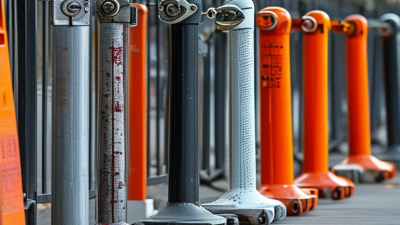
Fixed bollards create a firm boundary beside sidewalks, school entrances, cycle lanes, and transit platforms. Flexible bollards bend during impact and suit temporary traffic guidance or narrow urban lanes. Retractable bollards control vehicle access at selected hours, while illuminated or reflective models improve visibility at night. Crash-rated bollards offer stronger protection near public buildings or crowded pedestrian zones. Their use should follow tested performance standards, not appearance alone.

Visibility matters. The Federal Highway Administration’s Manual on Uniform Traffic Control Devices, 11th Edition, stresses conspicuity through contrast, lighting, and correct placement. The PIARC Road Safety Manual also supports designing roads that reduce conflict between users, rather than relying only on driver attention. In field assessments, spacing, drainage, turning paths, and maintenance often decide whether bollards help. A poorly positioned unit can obstruct wheelchair users or create a motorcycle hazard. That weakness deserves honest review. Materials, anchoring, impact energy, and local traffic behavior should be checked before installation. Even a strong bollard fails when drivers cannot see it.

Why Choose Road Bollards for Global Road Safety? - Key Types of Road Bollards and Their Safety Applications

Road Bollard Type Typical Construction Access Function Primary Safety Application Typical Locations Visibility Features Impact Protection Key Safety Considerations
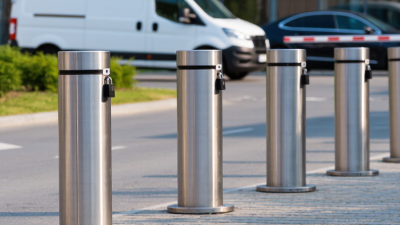
Fixed Steel Bollard Steel tube or solid steel post, usually anchored into a concrete foundation. Permanent vehicle restriction. Protects pedestrians, building entrances, cycle lanes and roadside assets from unauthorized vehicle access. Sidewalk edges, plazas, storefronts, transit areas and facility perimeters. Reflective bands, contrasting paint or high-visibility coatings. High when engineered Foundation depth, spacing and structural design must match the expected vehicle threat and local regulations.
Removable Bollard Steel or galvanized post installed in a ground sleeve with a locking mechanism. Allows authorized temporary access after removal. Controls vehicle entry while preserving access for emergency services, deliveries or maintenance. Service roads, pedestrian streets, event zones and parking entrances. Reflective collars and contrasting finishes improve daytime and nighttime recognition. Depends on sleeve and locking design The sleeve should be securely covered when the post is removed to reduce trip hazards and water accumulation.
Retractable Bollard Steel post that is manually lowered or lifted within a below-ground housing. Controlled access without storing a separate post. Separates pedestrian areas from vehicles while maintaining scheduled or emergency access. Historic districts, shared streets, commercial zones and restricted driveways. Reflective strips, colored finishes and illuminated versions are available. Varies by model Drainage, operating clearance and routine inspection are important to prevent jamming or unsafe deployment.
Automatic Rising Bollard Motorized or hydraulic rising post installed in a reinforced underground housing. Remote, scheduled or access-card-controlled vehicle restriction. Manages high-security access points and dynamic traffic control in areas requiring frequent operation. Government facilities, secure campuses, pedestrian precincts and controlled entrances. Flashing lights, reflective bands, warning signs and audible signals may be integrated. Security-rated models available Must include safe operating logic, emergency override, detection systems and protection against accidental movement.
Flexible Polymer Bollard Flexible polyurethane or similar resilient polymer, often fixed to a surface base. Visual guidance and lane separation. Reduces the severity of minor contact and helps guide drivers through lanes, curves and work zones. Traffic islands, temporary lane changes, parking areas and cycle facilities. Bright colors and wide reflective bands provide strong visual conspicuity. Not intended for hostile vehicle mitigation Best suited to low-speed environments; it should not replace a tested crash-rated barrier where high-energy impact protection is required.
Plastic or Recycled-Polymer Bollard Lightweight molded plastic or recycled polymer, sometimes water- or sand-filled. Temporary or semi-permanent channelization. Creates visible separation between moving traffic, pedestrians and temporary work areas. Roadworks, parking lots, temporary closures and event traffic routes. Fluorescent colors, reflective tape and warning markings. Limited impact resistance Anchoring and ballast requirements vary; placement should not obstruct drainage, sightlines or accessible routes.
Illuminated Bollard Metal, polymer or composite body with integrated LED lighting or a light module. Permanent guidance and visual separation. Improves nighttime recognition of pedestrian boundaries, traffic islands and path edges. Walkways, cycle paths, roundabouts, transit stops and low-light public spaces. Continuous or flashing LED illumination, often combined with reflective markings. Depends on structural body Lighting should avoid glare and remain visible without confusing drivers or masking regulatory signs.
Flexible Traffic Delineator Spring-mounted or elastomeric post designed to bend and return upright after contact. Lane delineation and temporary traffic guidance. Highlights traffic-channelization points and reduces damage from low-speed vehicle strikes. Median openings, lane merges, roundabouts and temporary traffic arrangements. High-visibility orange, yellow or white bodies with reflective bands. Low-speed guidance only Spacing and placement should preserve stopping sight distance and avoid creating hazards for motorcycles or cyclists.
Decorative Architectural Bollard Cast iron, steel, aluminum, stone or composite materials selected for streetscape design. Permanent pedestrian-area boundary. Discourages parking and protects public-space edges while maintaining visual compatibility with surrounding architecture. Town centers, heritage areas, parks, promenades and civic spaces. Contrasting colors, reflective details or supplementary lighting may be used. Design-specific Decorative appearance does not indicate crash performance; structural capacity must be verified separately.
Crash-Tested Security Bollard Engineered steel or reinforced construction installed with a designed foundation system. Permanent or controlled vehicle exclusion. Provides tested resistance against defined vehicle-impact scenarios at sensitive sites. Transport hubs, public venues, critical infrastructure and high-security perimeters. Reflective markings, lighting and warning signage support recognition. Use only with verified test classification Performance depends on the complete tested system, including post, foundation, spacing and installation conditions.

Safety performance depends on the complete installation, including bollard spacing, foundation design, visibility, operating environment and compliance with applicable local road, accessibility and vehicle-restraint requirements.

Standards, Materials, and Installation Factors for Global Use

Why Choose Road Bollards for Global Road Safety?

Road bollards help separate vehicles from pedestrians, cycle lanes, entrances, and sensitive roadside areas. Their value depends on correct selection, not appearance alone. Global projects should follow local road authority rules, accessibility requirements, visibility guidance, and tested impact standards. Requirements can differ between countries and even between cities. A bollard tested for pedestrian protection may not suit a high-speed roadside. Check impact ratings, test reports, installation drawings, and maintenance records before approval. Reliable documentation matters as much as the product itself.

Material choice affects service life. Galvanized steel offers strong structural protection, while stainless steel suits corrosive or coastal environments. Aluminum is lighter but may need careful design against impact. Recycled polymer options can reduce corrosion concerns, though their strength and temperature performance require verification. Surface finishes should remain visible in rain, dust, and low light. Reflective bands or integrated lighting may improve recognition. Field experience shows that attractive finishes sometimes fail early when drainage and cleaning are ignored.

Tips: Confirm soil conditions before fixing the foundation. Measure underground services. Keep the bollard line consistent and accessible. Use certified installers and record torque, depth, spacing, and concrete quality. Leave room for inspection. A perfect drawing can still fail on uneven ground. We should also question whether every location needs a rigid barrier; some sites may need flexible, removable, or visually softer protection. Review performance after installation, especially after winter, flooding, or minor impacts.

How to Select Effective Road Bollards for Different Environments

Why Choose Road Bollards for Global Road Safety?

How to Select Effective Road Bollards for Different Environments

Road bollards help separate vehicles, pedestrians, bicycles, and vulnerable roadside equipment. Their value depends on correct selection, not simply their appearance. In busy city streets, choose highly visible bollards with reflective bands and rounded edges. They should guide traffic without creating sharp hazards for people walking nearby. A bright finish helps. It is not enough.

For highways and industrial entrances, impact resistance becomes more important. Fixed steel bollards can protect gates, loading areas, and utility points from accidental vehicle contact. Flexible models may suit parking areas because they bend and recover after minor impacts. Check the foundation, spacing, and installation surface before ordering. A strong bollard can still fail when installed in weak concrete.

Climate changes the decision. Coastal locations need corrosion-resistant materials, while cold regions require products that remain reliable during freezing conditions. In hot, sunny areas, UV-resistant coatings reduce fading and brittleness. Reflective elements should remain visible in rain, dust, and low light. Field experience also shows that maintenance access is often overlooked. Inspect fasteners, coatings, and visibility regularly. I once underestimated drainage around a roadside post, and trapped water caused avoidable damage. Local traffic patterns, emergency access, and pedestrian behavior deserve equal attention. The best design is practical, visible, and slightly boring. That is usually a good sign.